Clearer Skin Starts Here — Safe, Professional & Confidential
Struggling with acne that’s affecting your confidence?
Acne is a common inflammatory skin condition that can affect the face, chest and back. It may range from mild breakouts to more persistent or severe acne. If clinically appropriate, treatment can be prescribed following an assessment by a qualified UK prescriber.
- Secure online consultation completed in minutes
- Fast, confidential assessment by a qualified Pharmacist Independent Prescriber
- Clinically approved prescription-only acne treatment (if appropriate)*
- In-pharmacy collection or discreet home delivery
- Complete a confidential acne consultation.
- A UK-registered Pharmacist Independent Prescriber reviews your medical history and skin concerns.
- If clinically appropriate, a prescription is issued.
- The medication is dispensed by our UK-registered pharmacy for collection or home delivery.
You may be suitable if you:
You must provide accurate and complete information to ensure safe prescribing. If necessary, you may be advised to consult your GP or another healthcare professional.
- Are aged 18 or over
- Are experiencing mild to moderate acne
- Are pregnant or breastfeeding (depending on the medicine)
- Have certain bowel conditions (for some oral antibiotics)
- Have liver problems
- Are taking medicines that may interact with acne treatment
- Have known allergy to the recommended medication
You must provide accurate and complete information to ensure safe prescribing. If necessary, you may be advised to consult your GP or another healthcare professional.
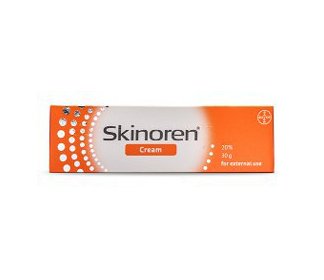
Prescription acne medicines are used to treat inflammatory and persistent acne. Commonly prescribed options (depending on suitability) may include:
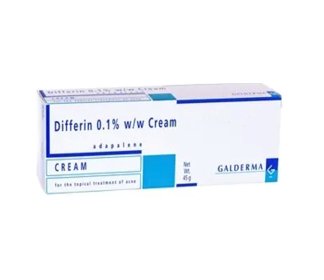
● Topical retinoids
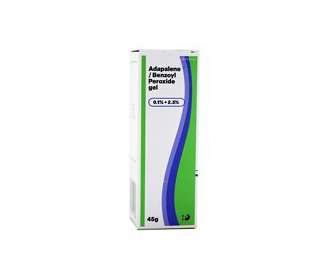
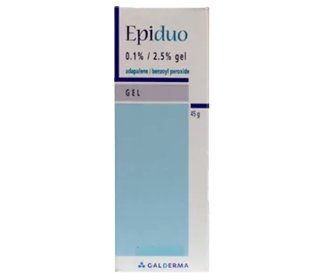
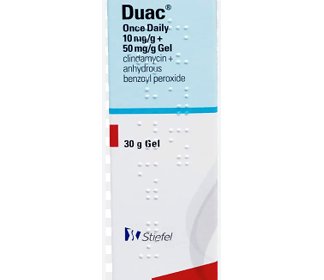
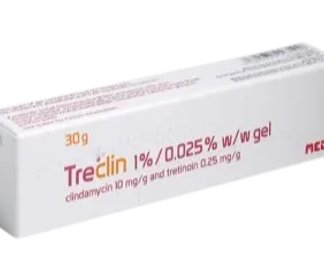
● Topical antibiotic combinations
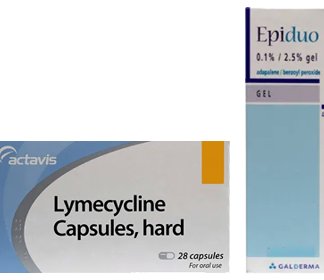
● Oral antibiotics (such as lymecycline or doxycycline)
The most appropriate treatment depends on:
Improvement can take several weeks. Consistent use as directed is important.
● Topical retinoids
● Topical antibiotic combinations
● Oral antibiotics (such as lymecycline or doxycycline)
The most appropriate treatment depends on:
- The severity and type of acne
- Area(s) affected
- Previous treatments used
- Medical history
- Pregnancy status
- Current medications
Improvement can take several weeks. Consistent use as directed is important.
The instructions depend on the specific medication prescribed. In general:
Some treatments may initially cause mild irritation before improvement is seen. Your prescriber will advise you on what to expect.
- Topical treatments are usually applied once or twice daily to affected areas
- Oral antibiotics are typically taken once or twice daily
- Treatment may be required for several weeks to see improvement
Some treatments may initially cause mild irritation before improvement is seen. Your prescriber will advise you on what to expect.
Like all medicines, acne treatments may cause side effects. These vary depending on the medication prescribed.
Common side effects may include:
- Skin dryness or irritation
- Redness or peeling
- Increased sensitivity to sunlight
- Stomach upset (with oral antibiotics)
- Headache
- Severe allergic reaction (rash, swelling, difficulty breathing)
- Severe abdominal pain or persistent diarrhoea (with oral antibiotics)
- Severe skin reaction
- Treatment is supplied only if clinically appropriate.
- Medication must be used exactly as directed.
- Some treatments increase sensitivity to sunlight — sun protection may be required.
- Improvement may take several weeks; treatment should not be stopped early without advice.
- You should inform your GP of any treatment prescribed through our service to support continuity of care.
- Prescriptions are issued by UK-registered Independent Prescribers.
- Medication is dispensed by a pharmacy registered with the General Pharmaceutical Council (GPhC).
- Our service complies with GPhC standards for registered pharmacies.
- All information is handled securely in accordance with UK data protection legislation (UK GDPR).